
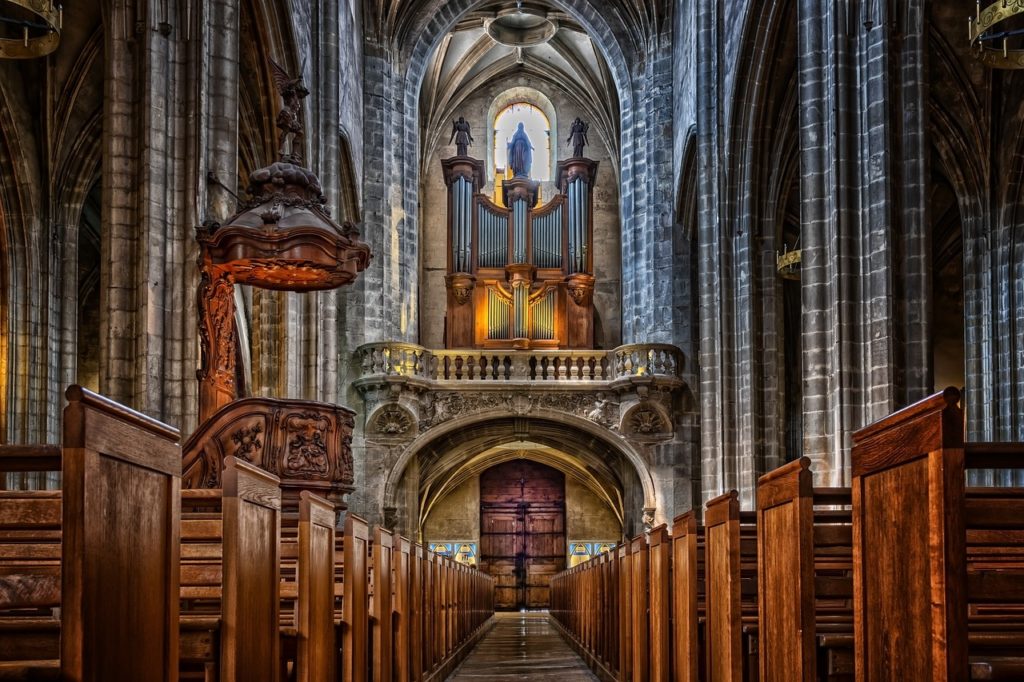
Standing tall, adorning the Parisian skyline, welcoming the old and new alike, is the stunning edifice of Notre-Dame Cathedral. A few days ago, on the 15th of April 2019, this cathedral, which exemplifies the never-say-die spirit of Paris, caught fire while restoration work was underway, leaving not just Parisians, but people worldwide pained.
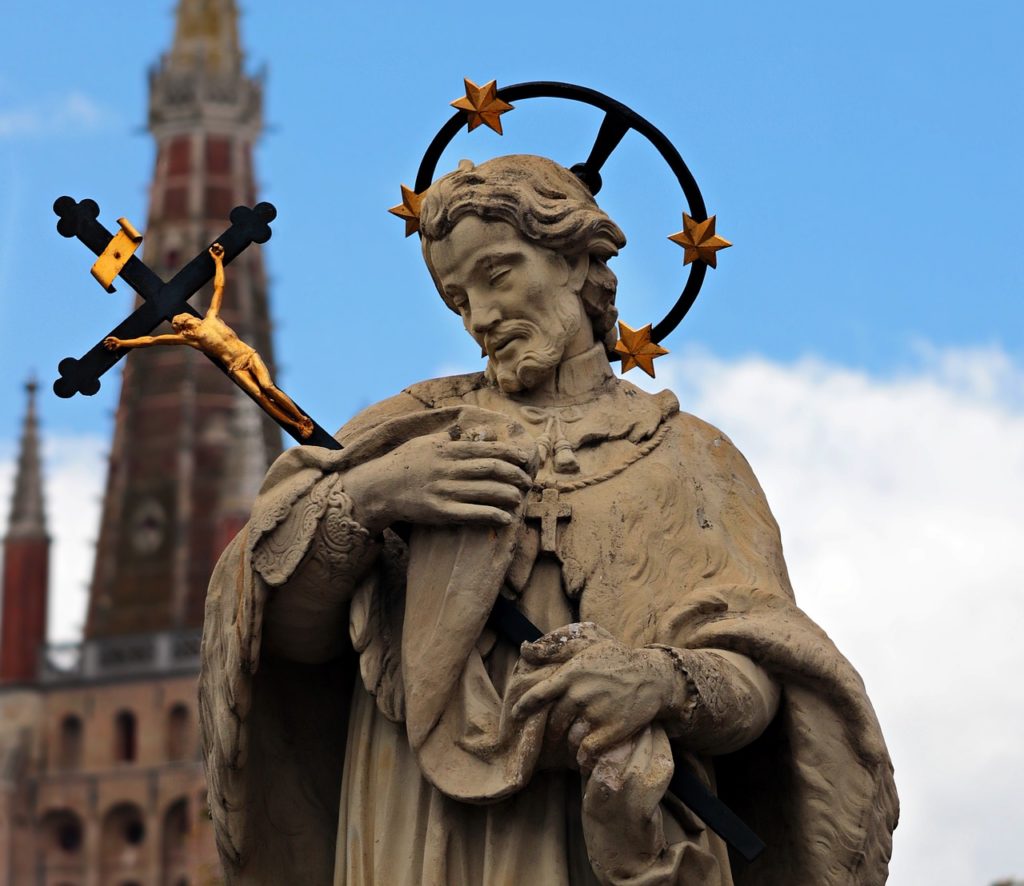
As the fire engulfed a part of the cathedral, the world lost a part of its rich history that has withstood time to tell stories in stone. In order to celebrate this Medieval marvel, here are some facts about the Notre-Dame de Paris:
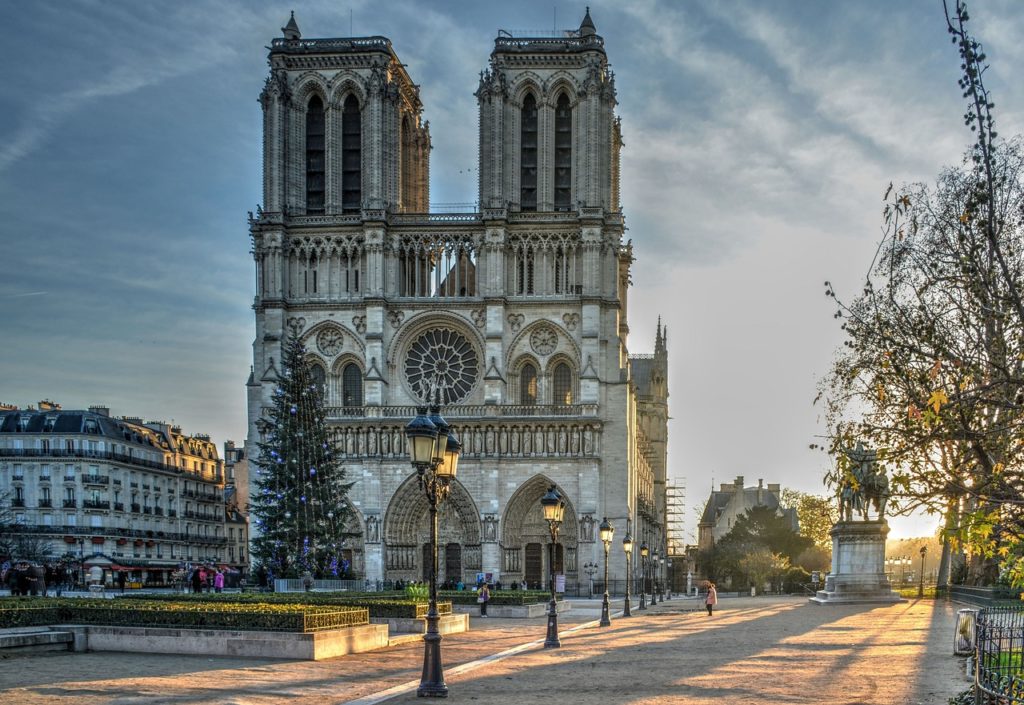
The 856 year old structure that has successfully defied adversities during the Frech Revolution and World War II, is today a symbol of posterity. As most of us know the Notre-Dame is a sublime example of French Gothic aesthetics, the cathedral offers visitors a glimpse into what is perhaps one of the finest efforts in sculpting, rose windows, and the first ever flying buttresses.
Every day, thousands of visitors throng the Notre-Dame, soaking in its glorious antiquity and taking with them the experience of its rich history. Nothing can quite prepare you for what’s in store when you visit Notre-Dame de Paris.
- Two become One: Though it is hard to imagine the historical sight of Île de la Cité without the Notre-Dame, the site was originally home to two churches. It was only later, during the 12th century, that the construction of this magnificent cathedral was commissioned by the Bishop of Paris – Maurice de Sully – on the remains of the two churches. Its foundation stone was laid by Pope Alexander III. Prior to the two churches, the location had a Gallo-Roman temple dedicated to Roman god Jupiter.
- A key centre for Coronations: The cathedral was brought back to life after the French Revolution by Napoleon Bonaparte, who went on to become the emperor of France. His coronation ceremony took place at the Notre-Dame. It also hosted the coronation of Henry VI of England during the mid-fifteenth century.
- Hunchback of Notre-Dame: In addition to efforts by Napoleon, a substantial part of the credit for the cathedral coming back into the limelight has been attributed to the celebrated French author Victor Hugo. Hugo’s Hunchback of Notre-Dame, set against the famous cathedral, helped revive work on the cathedral.
- The bells of Notre-Dame: The bells that chime and fill Paris’ air aren’t from the medieval age. The original bells were melted down to be used as ammunition for cannons. The bells we see today were added during the 19th century.
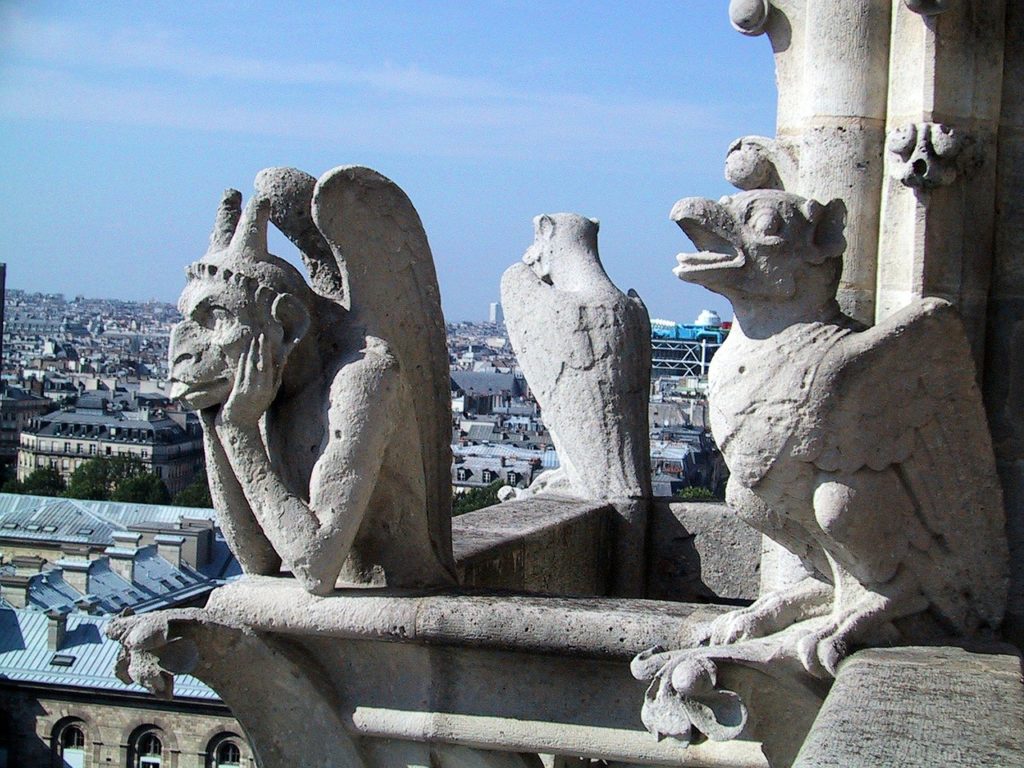
- Not so Medieval after all: Many a symbolic gothic elements that are today an integral part of the cathedral were added during the 19th century. These include the chimeras and gargoyles that are meant to represent the Medieval era.
- The Forest – If you’re looking to find a real one, you’d be a tad disappointed. A part of the cathedral (read roof) has been nicknamed ‘forest’, primarily because of the number of oak trees used. The backbone of Notre-Dame is built using the barks of as many as 1300 oak trees, with each beam being a tree in itself. This was one of the parts affected by the fire in 2019.
- Biodiversity with Beehives – a hive was intentionally placed at the top of the sacristy building a few years ago. The bees here are a special species, gentler as compared to ordinary honey bees. Or perhaps, one could say church going bees don’t sting as bad?
- Point zero – Just outside the Notre-Dame, engraved in the ground, is a compass. It was used to measure the distance of Paris from other cities. Today, tourists use this compass as a wish granting jewel – throwing coins, spinning around, and even kissing their loved one in hopes of retaining their love for eternity.
- Crown of thorns – Notre-Dame is also known to be the place where one of Christianity’s most sacred relics, Jesus’ fabled Crown of Thorns, is stored. This crown and a few other relics – like a nail and a part of the cross – are open to public viewing at the church on the first friday of every month during ceremonies, and other important occasions like Lent and Good Friday.
- Not Original – The spire that adorned the Notre-Dame wasn’t original either. It was added during…you guessed it…the 19th century as well.
With all this too, one can be certain that this resilient cathedral, like always, will emerge stronger.