
Delhi’s heritage and culture span centuries. Lost in the hustle bustle of everyday life and concrete structures, are stories from Delhi’s rich history. The monuments may have become a blindspot for passersby but stop to glance and you’ll end up with stories from over 2,500 years.
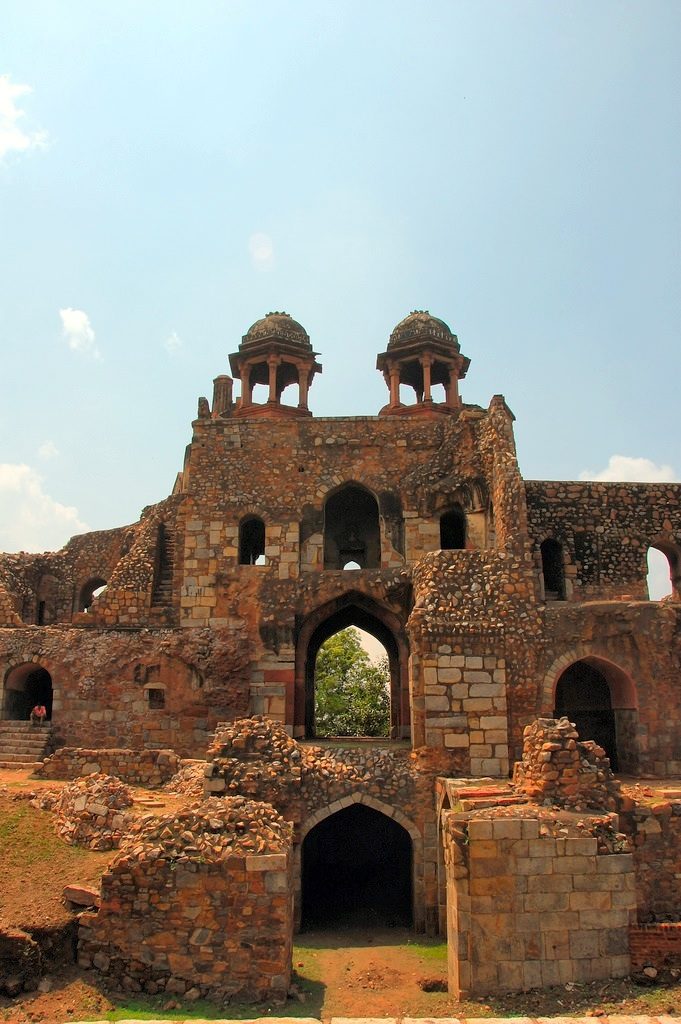
Photo by RussBowling on Foter.com / CC BY-SA
One of Delhi’s claims is that it is built on the site where the Pandavas of the epic poem Mahabharata built their capital
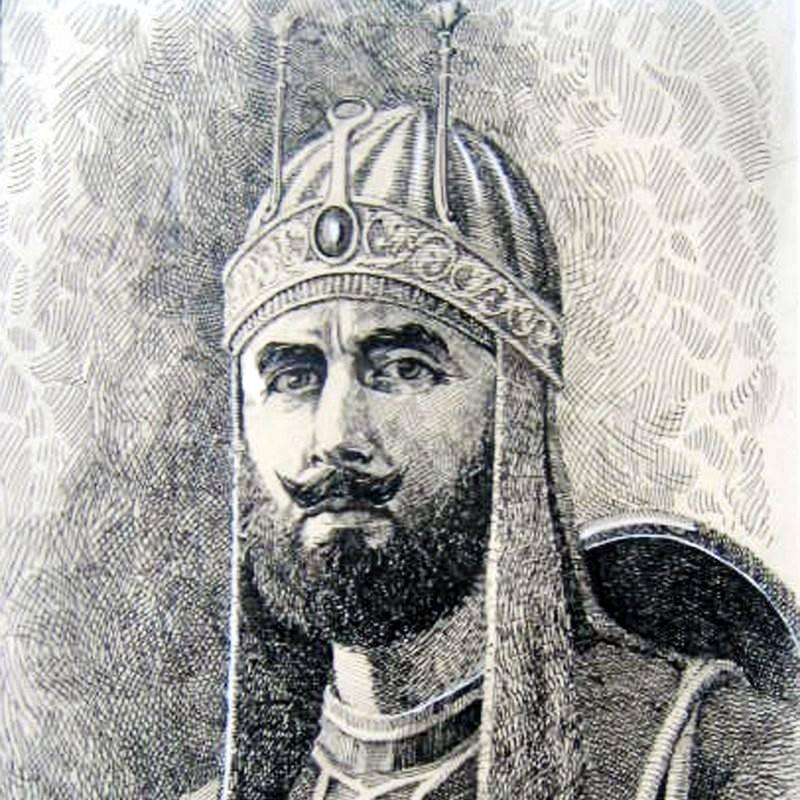
Though validating this might not be possible, there is no denying that Humayun built his Delhi here. However, when Sher Shah Suri, the Afghan ruler of Sur dynasty, defeated the Mughal emperor, it is believed that he razed Dinpanah to the ground.
And in its place, he initiated the construction of a fort, the one we know as Purana Qila. But as if predestined, Sher Shah didn’t live to see the entire Qila constructed. Instead, it was his rival Humayun who recaptured the city of Delhi 15 years later and completed the construction of this fort.
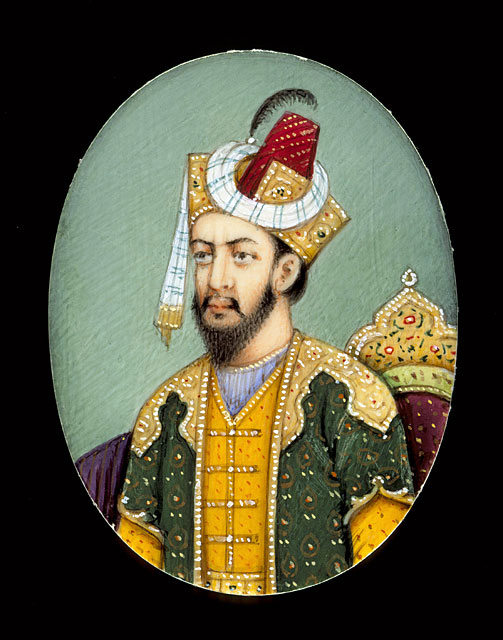
Oddly, even Humayun couldn’t live long to enjoy his time in his new city. A fall from the steps in his library within the same Qila claimed the emperor’s life. In what seems like an odd turn of events, two rivals came together at different times to complete a piece in history that would live to tell the tales of their time.
Points of interest within the fort
- Qila-i-Kuhna Mosque
The Qila-i-Kuhna mosque was built in 1541 as the prayer house for Emperor Sher Shah Suri and his courtiers. While the second storey of the mosque was reserved for women, the balconies were exclusively meant for royalty. A marble slab within the mosque has the following quote inscribed on it – “As long as there are people on earth, may this edifice be frequented and people be happy and cheerful in it”.
- Sher Mandal
Babar, the first Mughal emperor, ordered the construction of this marvellous octagonal structure, which doubled up as an observatory and library. The construction halted in its initial phase, and was completed only later by Sher Shah Suri, the Afghan ruler of the Sur dynasty.
On the evening of 24th January 1556, Humayun, an avid star gazer, was pursuing his hobby at the observatory.
In a haste to reach in time for his evening prayers, he slipped while on the second floor, falling headlong down the stairs. He died of his injuries just two day later. Today, this library remains closed for public.
The Seven Cities of Delhi
Delhi has always been home to several major settlements throughout India’s ancient and medieval history. Archaeological evidence suggests that the Delhi region has been populated continuously for over 3000 years.
Most notably, the city’s history has been traced back to as early as 900 BCE, the times of Mahabharata, when the region was known as Indraprastha, the capital city of the Pandavas.
Since the 11th century, the city has seen the rise and fall of many large empires. The legacy these empires have left behind collectively form the iconic city that we see today.
Qila Rai Pithora
Until the 1100s, the Tomar kings ruled from their fort city, Lal Kot. When the Ajmer king Prithviraj Chauhan took over the region, he expanded Lal
After the Chauhans were defeated by the Ghurid dynasty, Qutb-
Today, Mehrauli is an ordinary neighbourhood in Delhi, but still has several ties with its grand history through the many monuments in the region.
The Mamluk dynasty was soon defeated by Jalaluddin Khalji, who was an officer in the Mamluk army. Thus began the Khalji’s reign over Delhi. The second Khalji ruler, Alauddin, built the city of Siri in 1303.
It is rumoured that the foundation of the city’s walls was built on the severed heads, or sirs, of the Mongol
Tughlaqabad
In 1320, Ghazi Malik, a provincial governor under the Khaljis overthrew Khusro Khan from the throne of Delhi. He assumed the name Ghiyath-ud-din Tughlaq, and founded the Tughlaq dynasty, which reigned over Delhi for over 90 years.
He built the city of Tughlaqabad, which still has the rubbles of the stone walls and several Tughlaq monuments.
Firozabad
The fifth city of Delhi was built by Firoz Shah Tughlaq in 1354. The city was built on the banks of the Yamuna, to solve the water scarcity issues faced in the earlier Tughlaq capitals. Every friday, prayers are still held in this city’s mosque, the Jami Masjid.
Few structures built within this city can still be seen, namely the Iron Pillar, the Jami Masjid and the stepwell. A stone’s throw away from the fort is the famous Feroz Shah Kotla cricket stadium.
Shergarh
The Emperor Humayun initiated the construction of the city of Dinpanah, away from all the earlier capital cities built in Delhi. However, his reign was cut short by Sher Shah Suri in 1537.
The Sur emperor further developed
Shahjahanabad
For a brief period, Agra served as the capital of the Mughal Empire. In 1639, Emperor Shah Jahan shifted the capital back to Delhi, founding the walled city of Shahjahanabad. Today, Shahjahanabad is popularly known as Old Delhi, and is the last of the seven cities of Delhi. The city of New Delhi was established in 1911, and has served as the capital of India ever since.
Post-independence
In August 1947, after the partition of India, several Muslim families wished to move to Pakistan. These families took refuge at the Purana Qila, as they awaited the commencement of train services to Pakistan. The train services started only in October 1947, and the camp stayed functional until early 1948.
Today, the Purana Qila is used as a backdrop for theatrical plays, a tradition started in the 1970s. Every evening, a sound and light show takes place here, which depicts the history of the 7 cities of Delhi.
Surveys
The Archaeological Survey of India(ASI) has carried out several excavations in Purana Qila in recent years. Their findings indicate the fort was initially built as early as 3rd century BC.
Several traces of Painted Grey Ware have been unearthed, which indicate that the area was originally Indraprastha, the capital of the Pandava kingdom in 900 BC.
Yes, almost every ruler who had his reign established in Delhi made an effort to own her by building structures that defined them.
Cover Image Courtesy: Photo by juggadery on Foter.com / CC BY-SA